Structural Solutions
Can My Home Withstand an Earthquake?
June 2, 2026
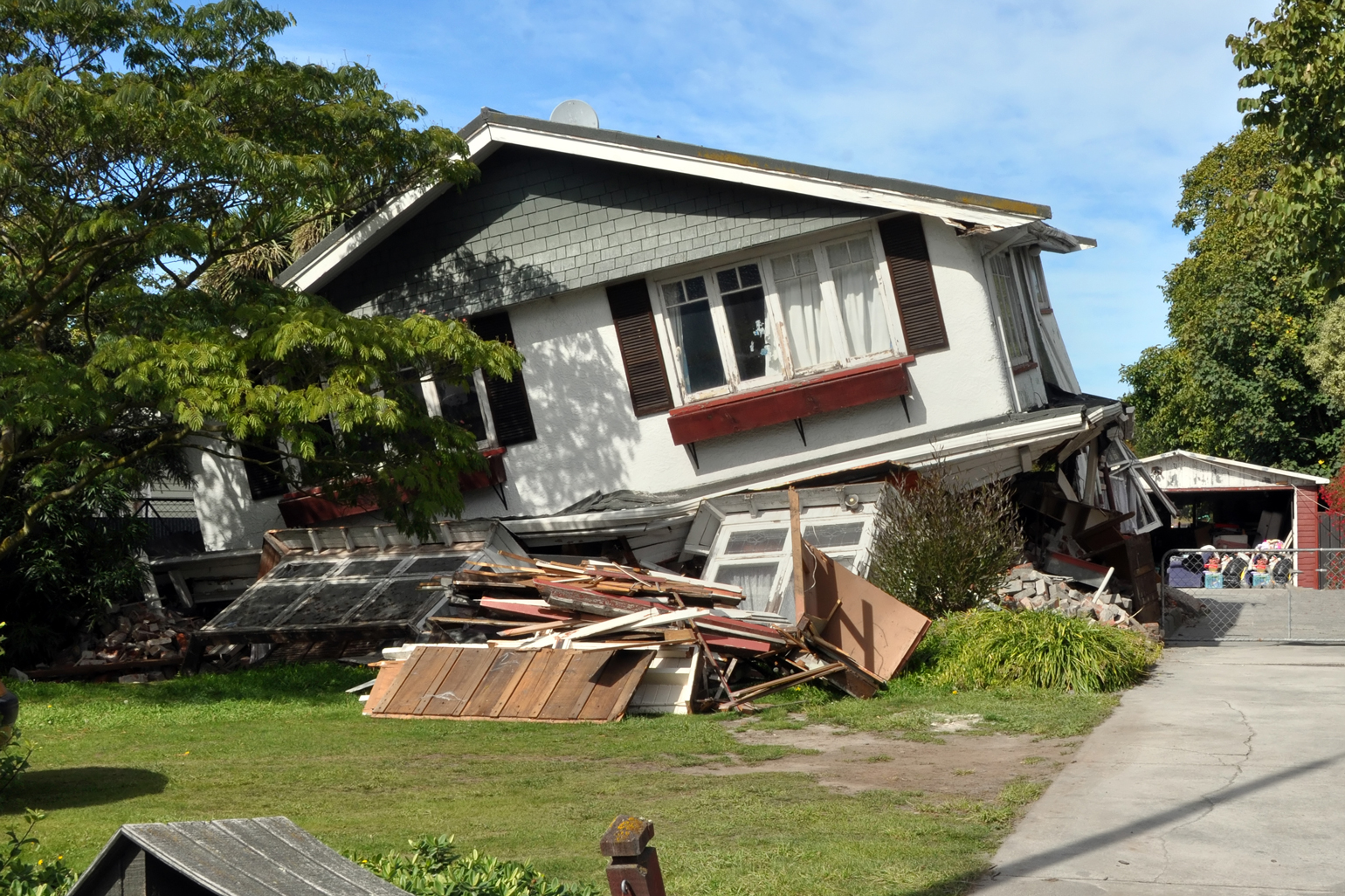
Living in the Pacific Northwest means enjoying incredible natural beauty, but it also means living with the reality of the Cascadia Subduction Zone. Experts agree that it is not a matter of if a major earthquake will hit our region, but when.
According to reports like the Pulitzer Prize-winning piece in The New Yorker, the next major seismic event could dramatically alter the landscape from California to Canada. While we cannot predict when this will happen, we can take intentional steps today to ensure our homes are the safest places possible when it does.
At G. Christianson Construction in Corvallis, protecting your family and your investment is our priority. We offer specialized seismic retrofitting services designed to help your home withstand the forces of nature. Our team, including structural engineers, can evaluate your property and recommend cost-effective reinforcements.
Here are the key measures we use to secure homes against seismic activity.
Essential Seismic Retrofit Measures for Oregon Homes
During an earthquake, the connection between your house and its foundation is the most critical structural point. If a home is not properly bolted down, it can slide off the foundation. We typically install Simpson URFP foundation plates to securely connect your home’s framing to the concrete. We also connect the posts and beams in your crawlspace to ensure the entire structure moves as one unit.
Many older homes have a short wood-framed wall between the foundation and the first floor, known as a “cripple wall.” Without reinforcement, these walls are notorious for collapsing during shaking, causing the house to drop. We strengthen these areas by adding structural plywood sheathing, creating a “shear wall” that provides the stiffness necessary to resist lateral forces.
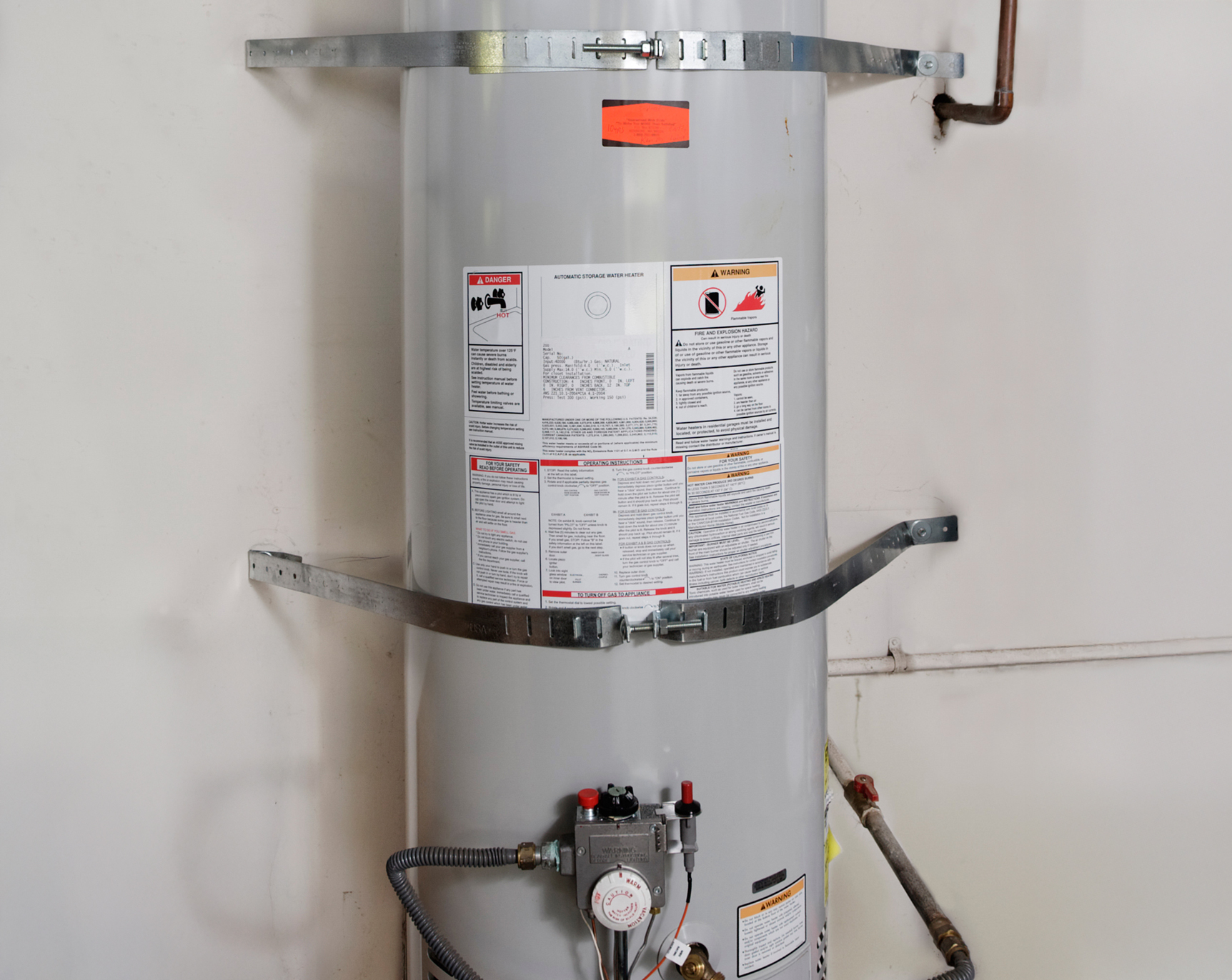
Your water heater is unstable during a quake and can easily tip over, severing gas and water lines. We securely strap the tank to the wall studs to prevent this. This is a vital upgrade because, in addition to preventing damage, a secured water heater acts as a critical emergency water reserve for your family if municipal supplies are cut off.
Unreinforced brick chimneys are among the most dangerous hazards during an earthquake. They are brittle, heavy and prone to snapping off, often falling through roofs or onto patios. Our structural engineer can assess your chimney to determine if it can be braced with steel strapping or if it is safer to remove it entirely and replace it with a lighter, modern alternative.
Fire is one of the greatest dangers following an earthquake, often caused by ruptured gas lines. To prevent this, we install the Northridge valve. This mechanical device contains a stainless-steel ball resting on a platform. During a seismic event of magnitude 5.2 or greater, the ball drops and plugs the outlet, automatically stopping the flow of gas. This provides peace of mind that your home is protected from gas leaks even if you aren’t there to turn it off manually.
Many older homes in our area were built on cement block foundations or unreinforced concrete that lacks the tensile strength to survive heavy shaking. Our structural engineer can assess your basement or crawlspace to select the best reinforcement method. This often involves adding rebar and shotcrete to create a new, stronger wall against the old one, or installing structural steel. For homes on steep slopes or problematic soil, we can also bring in specialists to install soil anchors for added stability.
Don’t Wait Until It Shakes
Seismic preparedness is the kind of renovation you hope to never need, but will be eternally grateful for if you do. By strengthening your home now, you are securing your legacy and your family’s safety for the future.
Secure your home today. Do not leave your home’s safety to chance. Contact G. Christianson Construction to schedule a site visit with our structural team and learn how we can retrofit your home for the future.
Seismic Retrofitting FAQs: Cost, Requirements and Safety
When should I retrofit my home for earthquakes? If your home was built before 1974, it likely wasn’t bolted to its foundation during construction. Even homes built prior to 1995 may lack the modern bracing required to withstand a major Cascadia event. We recommend a professional assessment for any home built before current seismic codes were adopted.
Does earthquake insurance cover retrofitting? Typically, standard homeowners insurance does not cover earthquake damage, and earthquake policies do not pay for preventative retrofitting. However, retrofitting your home can sometimes lower your insurance premiums and, more importantly, significantly reduce the deductible costs you would face after a disaster.
How much does seismic retrofitting cost? The cost varies depending on the size of the home, the type of foundation and accessibility of the crawlspace. While a full foundation replacement is a major investment, standard bolting and bracing are often very cost-effective compared to the potential loss of the entire structure.
Can I do seismic retrofitting myself? While some minor bracing can be a DIY project, structural connections are critical life-safety features. Incorrectly installed bolts or shear walls may fail under the extreme loads of an earthquake. We recommend using a contractor with experience in structural engineering to ensure the retrofitting actually performs when you need it most.
What is the Cascadia Subduction Zone? The Cascadia Subduction Zone is a 600-mile fault line running off the coast from Northern California to British Columbia. It is capable of producing magnitude 9.0+ earthquakes. Scientists estimate there is a significant probability of a major event occurring within the next 50 years, making preparedness vital for Oregon homeowners.