Structural Solutions
Solid Foundations: The Art and Science of Concrete
June 30, 2026
Because concrete sets the literal foundation for your home, we never leave its execution to chance.
Our leadership team manages the forming and pouring process on every job site, enforcing strict quality control from start to finish. This meticulous oversight allows us to deliver results that are not only structurally sound but also visually stunning.
From historic restoration to modern, energy-efficient structural reinforcement, here are a few ways we utilize concrete to enhance your build.
Concrete Capabilities
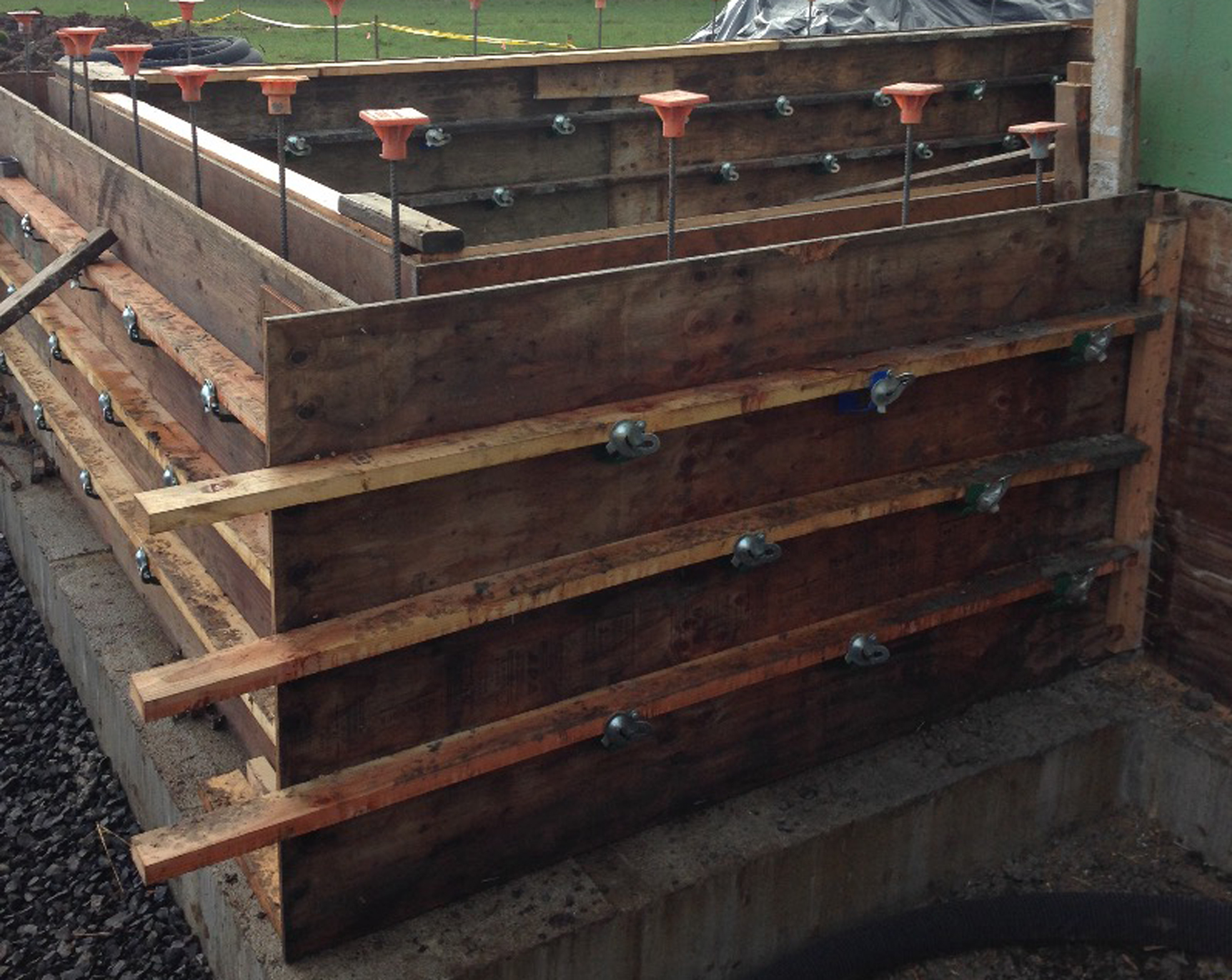
The longevity of a home begins with its footing. For our custom builds, we often use high-strength engineered concrete for the foundation. This specialized mix offers increased stability and reduced deflection, ensuring the structure remains solid for generations. By prioritizing structural durability from day one, we prevent settling issues down the road.
View Project: Modern Vacation Home
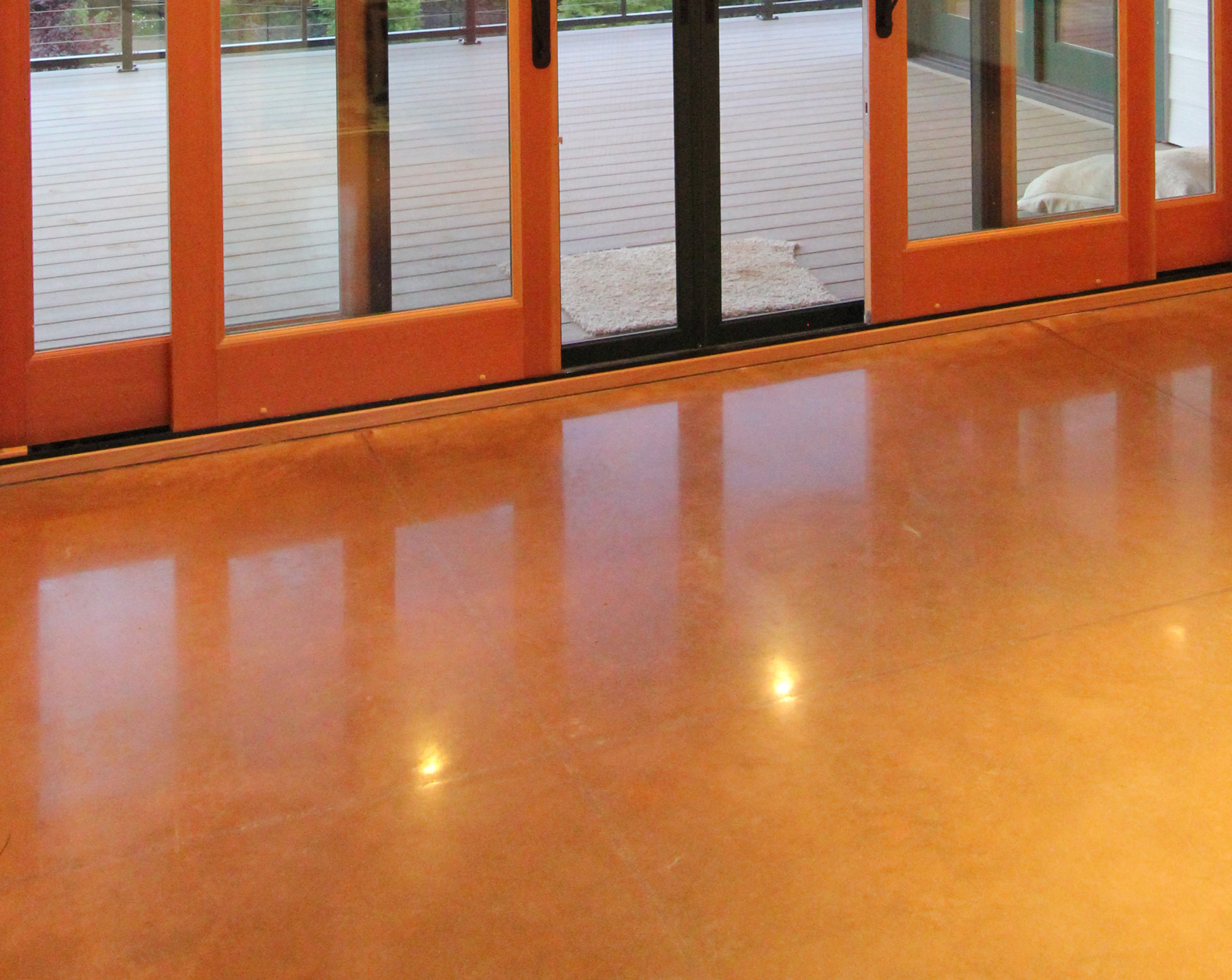
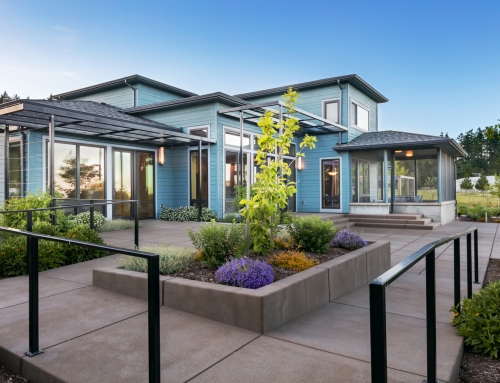
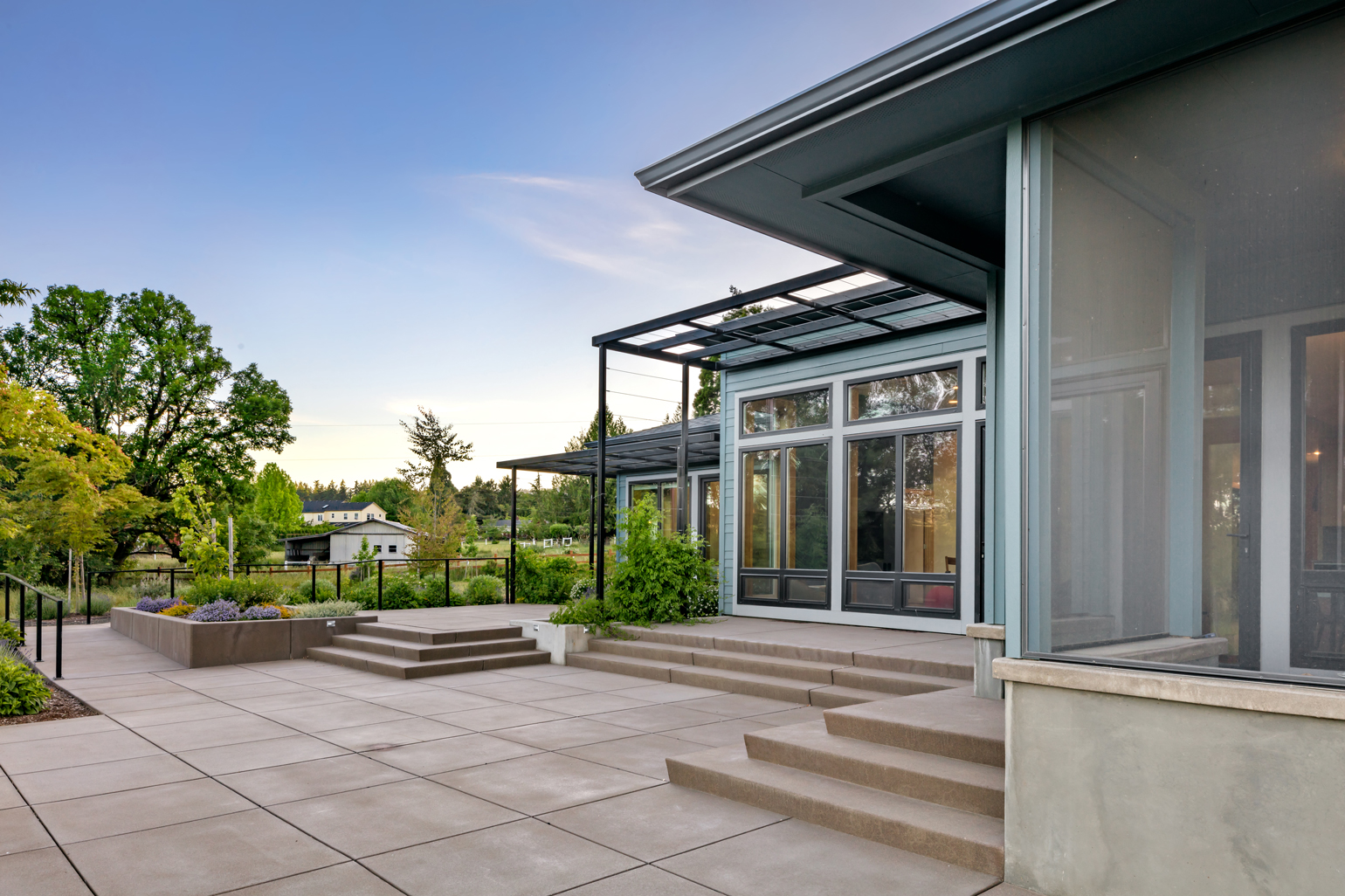
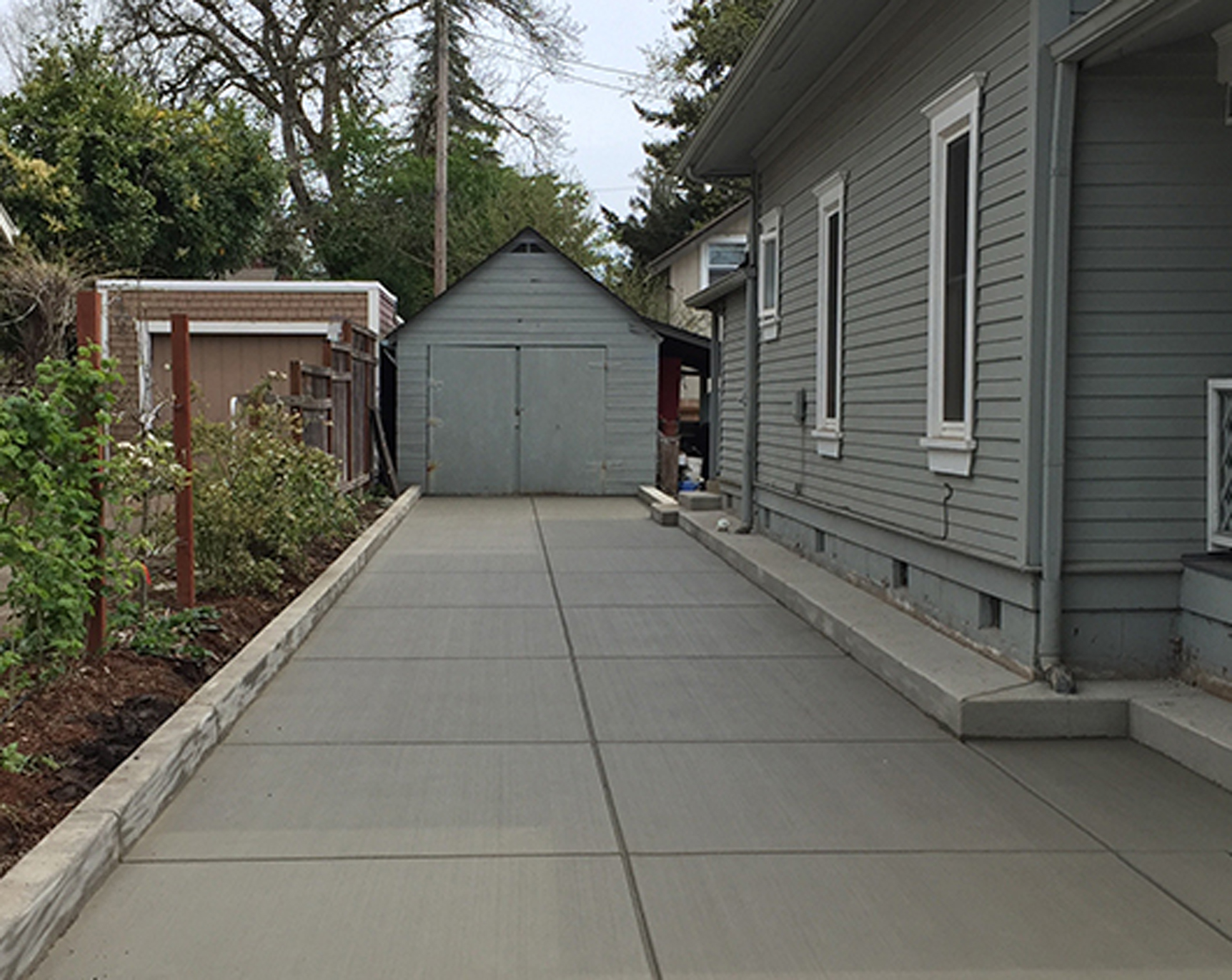
Concrete can add depth and interest to a property without distracting from the architectural design. We offer a wide variety of finishes, including stamped, exposed aggregate, acid-washed and metal broom finishes. The key to a great finish is timing and experience, and our crew excels at creating surfaces that look upscale and intentional.
View Project: G. Christianson Office
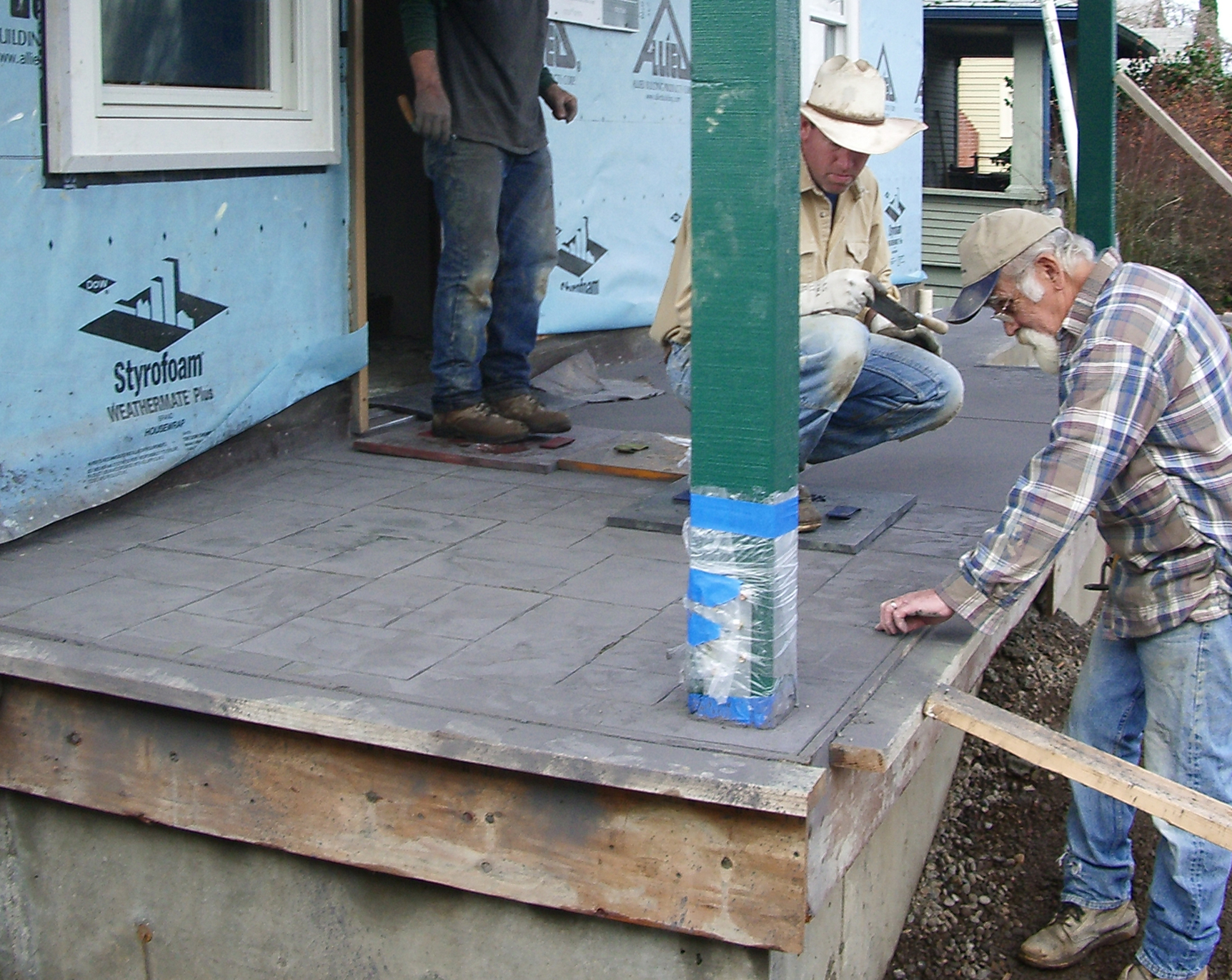
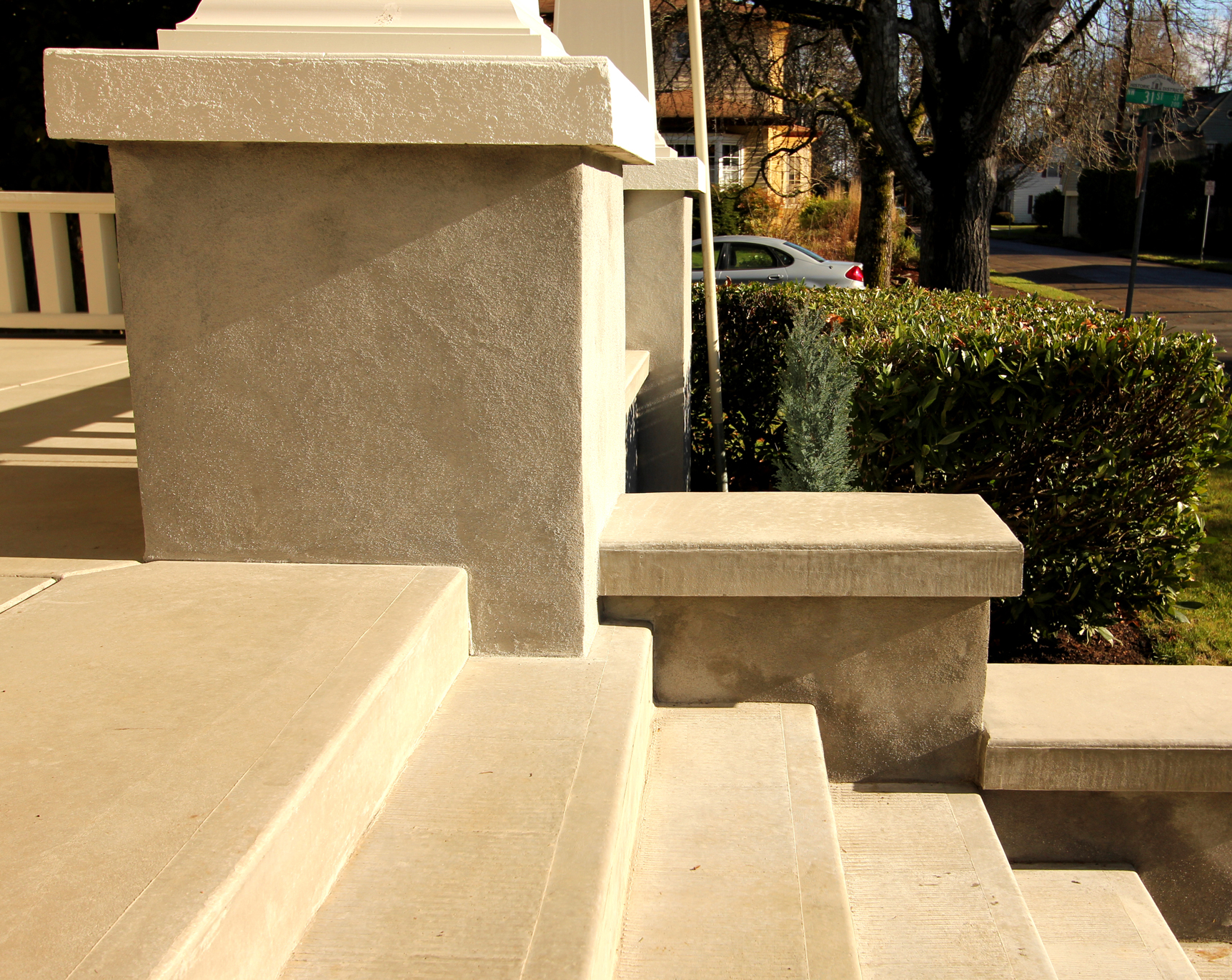
Matching the texture of a historic home requires an artisan’s touch. We use parging — a plaster or mortar coating — to cover imperfections and recreate specific period looks. For example, we have used burnished flat trowel finishes to replicate the craftsman texture of an original porch, ensuring the new steps and wall caps blend seamlessly with the existing structure.
View Project: Craftsman Front Porch
For the ultimate in energy efficiency and strength, we utilize Insulating Concrete Forms (ICF). This system combines expanded polystyrene (EPS) insulation with steel-reinforced concrete. The result is a wall system that offers unmatched thermal comfort, noise reduction and structural resilience, making it a smart choice for high-performance homes.
ICF is also highly fire-resistant. In many cases, this can lead to reduced homeowner’s insurance premiums, especially for homes in the Willamette Valley and wildfire-prone areas of Oregon. Here’s how they compare to traditional builds:
- A standard ICF wall typically has a 4-hour fire resistance rating, meaning it can withstand direct flame and intense heat (up to 2,000°F) for four hours without structural failure. In contrast, a traditional wood-framed wall usually only has a 1-hour rating.
- While the outer foam (EPS) will melt when exposed to high heat, the steel-reinforced concrete core does not burn.This prevents the fire from traveling through the walls to other rooms or neighboring structures.
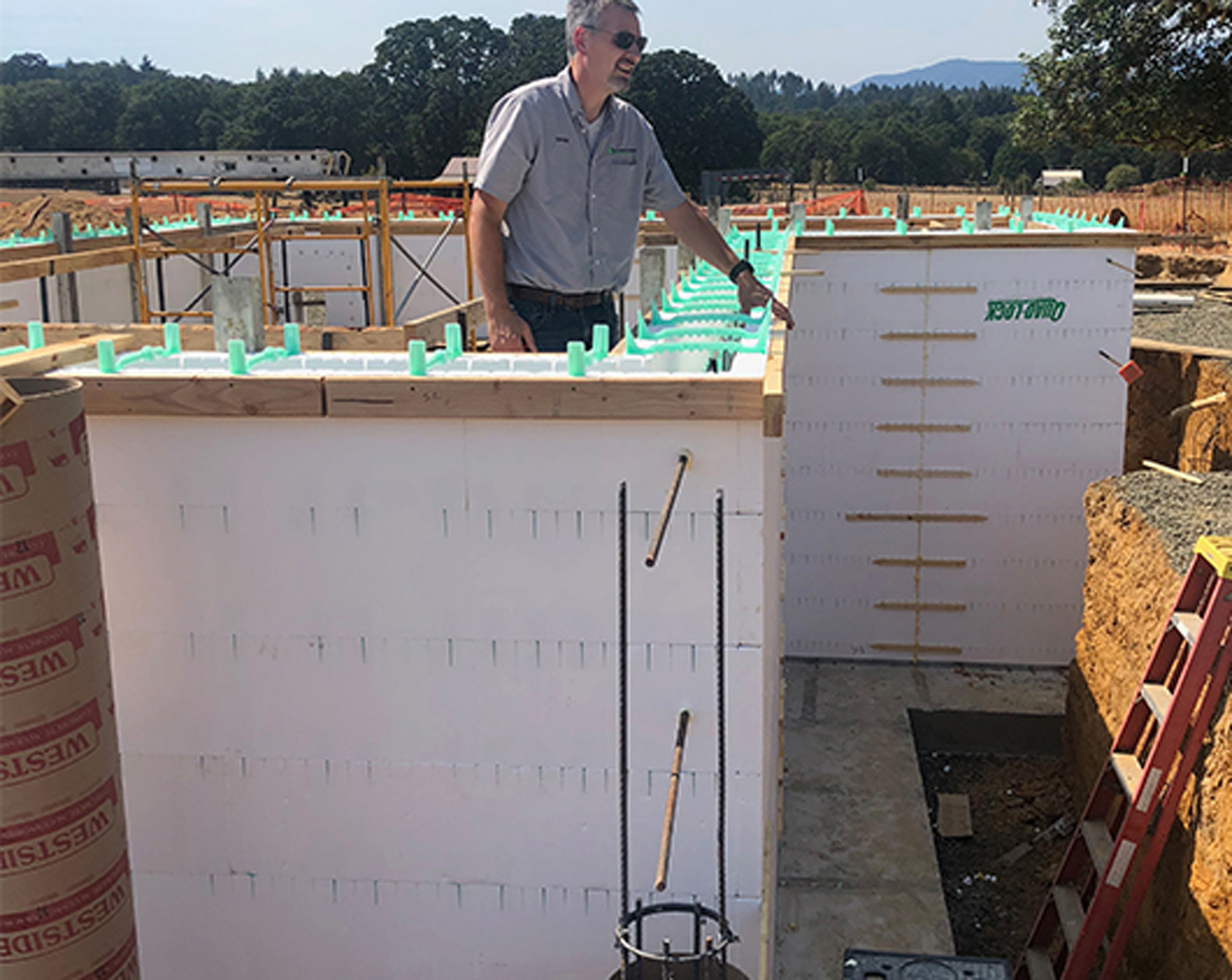
ICF is also highly fire-resistant. In many cases, this can lead to reduced homeowners’ insurance premiums, especially for homes in the Willamette Valley and wildfire-prone areas of Oregon. Here’s how they compare to traditional builds:
- A standard ICF wall typically has a 4-hour fire resistance rating, meaning it can withstand direct flame and intense heat (up to 2,000°F) for four hours without structural failure. In contrast, a traditional wood-framed wall usually only has a 1-hour rating.
- While the outer foam (EPS) will melt when exposed to high heat, the steel-reinforced concrete core does not burn. This prevents the fire from traveling through the walls to other rooms or neighboring structures.
View Project: Vineyard House
Are insulating concrete forms (ICF) worth the cost in Oregon?
Yes, especially for fire-prone areas. The 4-hour fire resistance rating and superior insulation often lead to lower insurance premiums and energy bills, making it a high-value long-term investment.
Concrete is one of the largest sources of carbon emissions in modern construction. To put that into perspective, a single standard new home can generate between 20 and 100 tons of carbon emissions just from the concrete poured for the foundation, sidewalks and driveways.
We lower your home’s carbon footprint through three precise engineering techniques:
- Smart Mix Substitutions: We use advanced concrete mix designs that substitute traditional cement with eco-friendly alternatives — such as Solid-Carbon’s biochar admixtures, which permanently lock carbon away inside the structure.
- Optimized Design: Our team meticulously reviews structural blueprints to eliminate unnecessary concrete without compromising the home’s strength.
- Alternative Materials: Where appropriate, we swap heavy concrete slabs for sustainable wood framing to lower the build’s environmental impact. As an example, here’s a look at the concrete-free floating plywood slab assembly.
Quality You Can Stand On
Whether you need a decorative patio to complete your backyard or a complex foundation for a custom home, our team has the skills to execute it perfectly. We believe that a strong project starts with a solid foundation.
Frequently Asked Questions
What are the most common ways to use concrete in a custom build?
Our concrete expertise is a foundational element of our custom home builds, large-scale additions and whole-house renovations. Whether it’s an engineered foundation for a new home or artisan parging for a historic restoration, our team specializes in the complex, high-stakes concrete work that residential projects require.
How does Oregon weather affect concrete pouring?
In Corvallis, moisture and temperature control are vital. Our in-house team monitors humidity and uses specific mixes to ensure proper curing during the rainy season.
When can I walk or drive on my new concrete?
Give your new concrete plenty of time to cure before introducing heavy weight. We recommend waiting 7 to 10 days before allowing foot traffic on the surface, as even light traffic can scratch the fresh finish. For vehicles and driveways, wait 10 to 14 days to prevent heavy loads from causing premature structural cracks.
Will my new concrete crack or change color?
Concrete naturally changes in appearance as it cures. It can and will develop cracks over time. To protect the aesthetic, we install precise tooled or sawcut control joints to manage this movement and direct cracking where it won’t be noticeable. Surface discoloration — including splotchy, darker or lighter areas — is also a normal part of the curing process, particularly when pouring during wet Oregon winter months.
What options do I have for finishes?
We offer a wide variety of textural choices to match your home’s design, including broom, metal broom, stained, stamped, sand texture, smooth troweled and exposed aggregate finishes.
Is stamped concrete slippery?
While stamped concrete offers a beautiful custom look, it can become slick when wet. We add a specialized texturizing agent called SharkGrip to reduce slickness, though the surface will still require caution during rainy weather. Like any traditional finish, stamped concrete is also subject to normal curing cracks.
How do I clean and protect my concrete long term?
Proactive maintenance keeps your investment looking good and extends its lifespan. We recommend pressure washing and resealing your concrete every other year to keep the color looking rich.
Can I use de-icers or salt on my concrete?
We do not recommend using chemical de-icers or salt on your concrete. These harsh products strip away the smooth surface, which can cause pitting and eventually leave an uneven, rough appearance. For winter traction, safe alternatives like sand are much gentler on the finish.
Start your project on solid ground. If you’re looking for a contractor who handles every detail with care — from the concrete pour to the final trim — we are here to help. Contact us today to discuss your vision.
Serving the Mid-Willamette Valley, including Corvallis, Philomath, Albany and greater Benton County.